

Best CloudHealth Alternatives in 2026: Multi-Cloud FinOps Compared
Why Your Team is Looking for a CloudHealth Alternative
The project is moving forward. At least, that’s what the status report says. The QA team is ready. Test environments are up. Servers are running. The only thing missing is the feature from the development team, which is now two weeks behind schedule. Nobody raises their hand to ask if the idle environments should be shut down. It’s not the testers’ job, nor the developers’. So the servers wait, just like the testers. This delay costs twice: once in time, and once in silent, accumulating cloud spend. This scenario is a common reason teams start searching for a modern cloudhealth alternative, moving beyond legacy reporting to active cost control.
This article is published by Nuvelia SAS, the company behind Thalaxo Cloud.
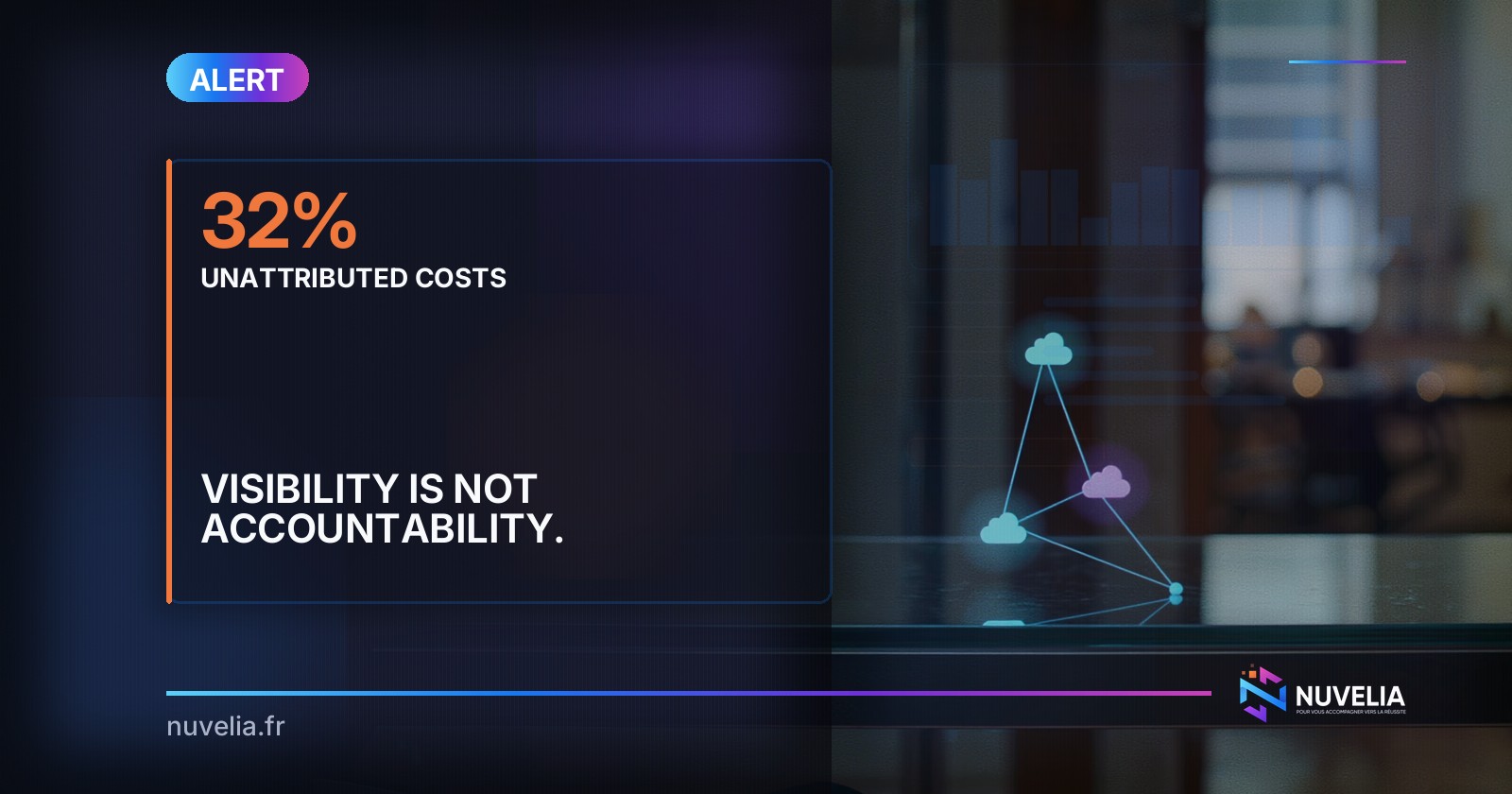
For years, CloudHealth (now part of VMware Aria) was the default for enterprise-scale FinOps. It provides deep governance and reporting for large, stable infrastructures. But as environments become more dynamic, multi-cloud, and containerized, its heavy UI, complex setup, and pricing model feel misaligned with the needs of agile scale-ups. According to the FinOps Foundation’s State of FinOps 2024 report, 32% of cloud spend is identified as waste, and teams need tools that automate savings, not just generate another report to analyze.
Comparing Top CloudHealth Alternatives in 2026
Here’s a direct comparison of the leading options for teams re-evaluating their FinOps stack.
| Tool | Best for | Multi-cloud | Pricing model | K8s support | Setup effort |
|---|---|---|---|---|---|
| CloudHealth (VMware) | Large enterprises with mature governance | Strong | % of cloud spend | Limited to Moderate | High |
| Vantage | Developer-first, modern tech stacks | Strong | % of cloud spend | Strong | Low |
| Thalaxo Cloud | Multi-cloud scale-ups (20-200 people) | Production on AWS and Azure; GCP in rolling deployment; Jotelulu and Alibaba Cloud integrations in progress. | Fixed-tier SaaS | Workload-level cost allocation on roadmap | Low |
| AWS Compute Optimizer | AWS-only teams starting their FinOps journey | N/A | Free (included with AWS) | Limited (EC2 on EKS) | Low |
Ready to see your actual cloud waste? You can get a full picture of your infrastructure’s optimization potential without a sales call.
Start a free scan at app.thalaxo.com — no credit card, read-only access, results in 5 minutes.
How to Choose the Right Tool for Your Team
Your choice depends less on features and more on your team’s context. Here are the key criteria to evaluate.
- Cloud Mix: Are you an AWS-only shop or juggling two or more providers? Native tools like AWS Compute Optimizer are excellent for single-cloud environments but offer no visibility into Azure or GCP spend. True multi-cloud tools are essential for hybrid environments.
- Team Size & Maturity: A large enterprise with a dedicated FinOps team of ten people has different needs than a 50-person scale-up where a Lead DevOps engineer owns the cloud bill. The former may need CloudHealth’s deep reporting, while the latter needs automation that saves time.
- Budget Model: Pricing based on a percentage of your cloud spend can create perverse incentives—your tool vendor profits as your bill grows. Fixed-tier SaaS pricing, by contrast, provides predictability and ensures your vendor is motivated to find you savings, not a percentage of your costs.
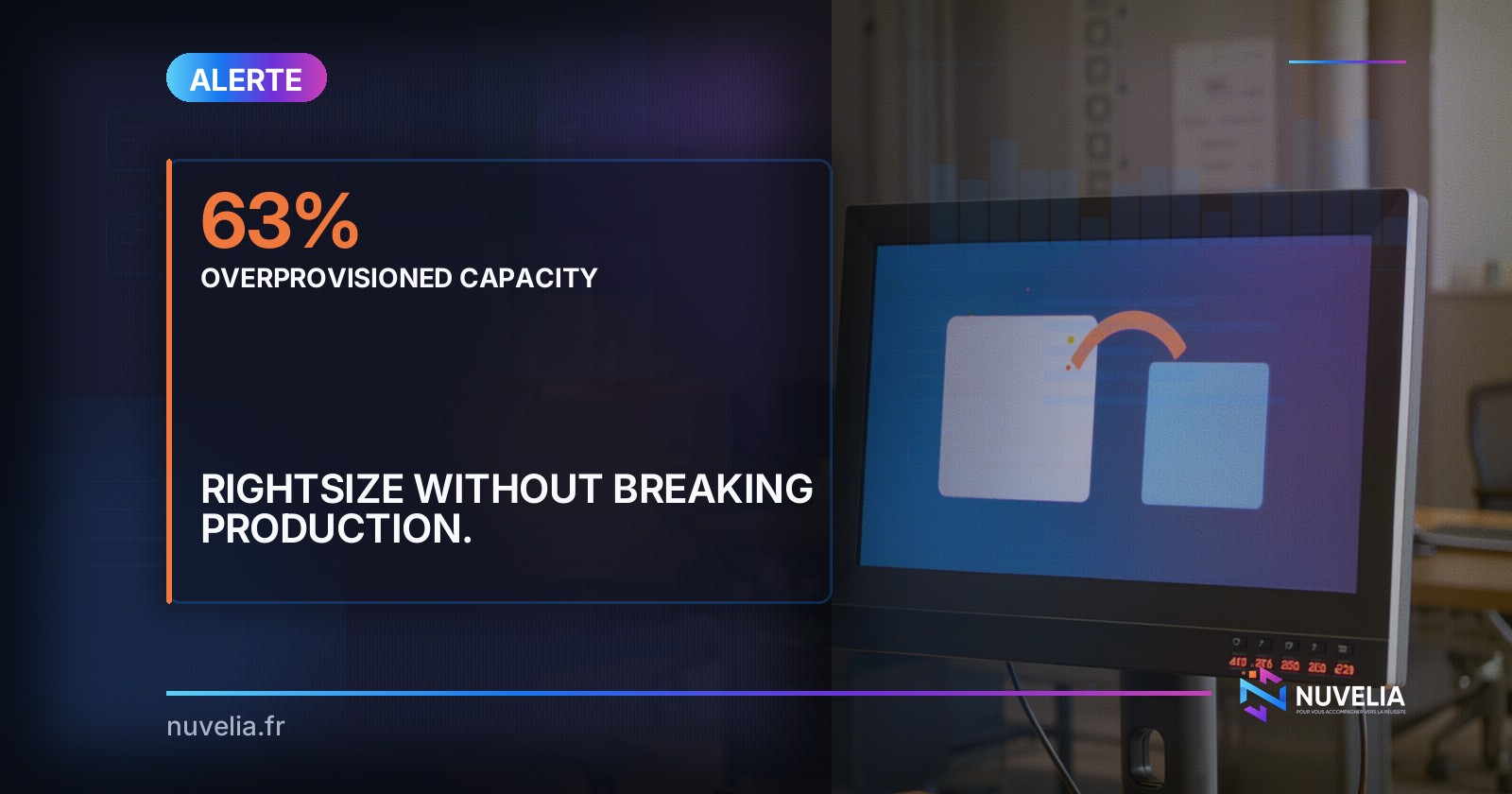
- Automation vs. Reporting: Do you need another dashboard, or do you need a tool that takes action? Legacy tools are strong on reporting, but modern alternatives focus on automated rightsizing, scheduling, and idle resource termination. This is a crucial philosophical difference. As Flexera’s 2026 State of the Cloud Report notes, 63% of organizations now have a dedicated FinOps team, and their priority is shifting to delivering business value, not just tracking costs.
Does your business project need a reliable, industrialized platform?
We design and secure the Kubernetes infrastructure that will support your signature or payment workflows.
A Closer Look at the Alternatives
CloudHealth is built for enterprise governance, not agile optimization.
You’ll find CloudHealth indispensable if you’re a large enterprise managing billions in spend and need robust, policy-driven governance across multiple business units. It’s a mature platform with deep reporting capabilities. Where it falls short is in the dynamic, container-heavy world of modern scale-ups. Users often report a heavy UI, data latency, and a pricing model that scales punishingly with cloud usage. Its Kubernetes support is not designed for the kind of deep, pod-level micro-optimization that drives significant savings in containerized environments (Source: verified competitor profile — CloudHealth public documentation and published case studies, 2026). It tells you about the problem; it’s less effective at fixing it automatically.
Thalaxo Cloud is built for automated action in multi-cloud scale-ups.
You’ll find Thalaxo Cloud a strong fit if you’re a scale-up with 20-200 people, run on AWS and Azure, and need to control costs without hiring a dedicated FinOps team. Its primary focus is on automation: rightsizing oversized VMs, scheduling non-production environments to shut down overnight (which can save up to 67% on non-production compute for teams applying overnight scheduling), and terminating idle resources. The setup is fast, and the pricing is a predictable fixed tier. What you won’t get is the decade-long track record or the extensive enterprise reporting suite of CloudHealth. As a newer platform (launched 2025), its SOC 2 Type II audit is in progress (started June 2026, following the Type I report in May 2026), and workload-level K8s cost allocation is on the roadmap as the team prioritizes stability over premature feature breadth. It’s one of the best cloud cost management tools for teams who value action over analysis.
The Verdict for Your Profile
Picking a tool isn’t about finding the ‘best’ one, but the right one for your specific scale and complexity.
- For AWS-only teams with <50 VMs: Start with AWS Compute Optimizer. It’s free, native, and will give you the essential rightsizing recommendations you need. The catch is that it only provides data; your team is responsible for implementing every change.
- For multi-cloud scale-ups with 50-500+ resources: This is where a dedicated tool like Thalaxo Cloud provides the most value. Native tools are blind to your other cloud providers, and enterprise tools like CloudHealth are too expensive and complex. You need the multi-cloud visibility combined with automation that actually reduces the bill and engineering toil.
- For large enterprises committed to VMware: If your organization is already heavily invested in the VMware ecosystem and requires complex, multi-layered reporting for chargeback and governance, CloudHealth/Aria remains a viable, albeit expensive, choice. However, be prepared to augment it for deep Kubernetes optimization.
Ultimately, the FinOps tool market is shifting. The focus is moving away from passive, after-the-fact reporting toward proactive, automated optimization. The best tool is the one that fits this modern workflow, helping your team prevent waste before it happens, not just report on it a month later. For more on the principles of cost management, the FinOps Foundation provides excellent resources.
Read next