

The Best Yotascale Alternatives in 2026 (Multi-Cloud FinOps Compared)
For Kubernetes and cloud infrastructure consulting, see Kubernetes cloud solutions or explore Nuvelia Kubernetes consulting services.
Finding the Right Yotascale Alternative for Your Cloud Stack
When your cloud environment grows beyond a handful of instances, relying on native tools like AWS Cost Explorer becomes a liability. You’re likely evaluating ML-powered platforms like Yotascale to get a handle on forecasting and cost allocation. But what if your primary need is less about complex forecasting and more about actionable automation? This guide provides a direct comparison to help you find the best yotascale alternative, and ultimately the best cloud cost management tool for your specific needs, whether you’re managing 50 or 500 virtual machines across multiple clouds.
This article is published by Nuvelia SAS, the company behind Thalaxo Cloud.
Yotascale Alternatives: A Head-to-Head Comparison
Technical teams need clear data, not a marketing pitch. This table breaks down the key differences between Yotascale and its main competitors, focusing on the criteria that matter during an evaluation: multi-cloud readiness, Kubernetes support, and the effort required to get started.
| Tool | Best for | Multi-cloud | Pricing model | K8s support | Setup effort |
|---|---|---|---|---|---|
| Yotascale | Enterprise-scale ML forecasting and cost attribution | Strong | Percentage of cloud spend | Strong | High |
| Vantage | Developer-centric visibility and reporting | Strong | Tiered / % of spend | Strong | Low to Moderate |
| CloudHealth | Large enterprises with VMware integration needs | Strong | Percentage of cloud spend | Moderate | High |
| Thalaxo Cloud | SMEs focused on actionable automation over reporting | Production on AWS and Azure; GCP in rolling deployment; Jotelulu and Alibaba Cloud integrations in progress. | Fixed-tier (VM-based) | Workload-level cost allocation on roadmap | Low |
Many organizations start their FinOps journey by trying to manage costs, but the Flexera 2026 State of the Cloud Report shows a strategic shift: 64% of respondents now prioritize measuring the business value cloud delivers. This shift requires tools that do more than just report on spending; they must enable engineering teams to act.
Start a free scan at app.thalaxo.com — no credit card, read-only access, results in 5 minutes.
How to Choose the Right FinOps Tool for Your Team
Selecting a tool isn’t just about features; it’s about aligning with your team’s culture, scale, and technical stack. Before committing, evaluate these criteria:
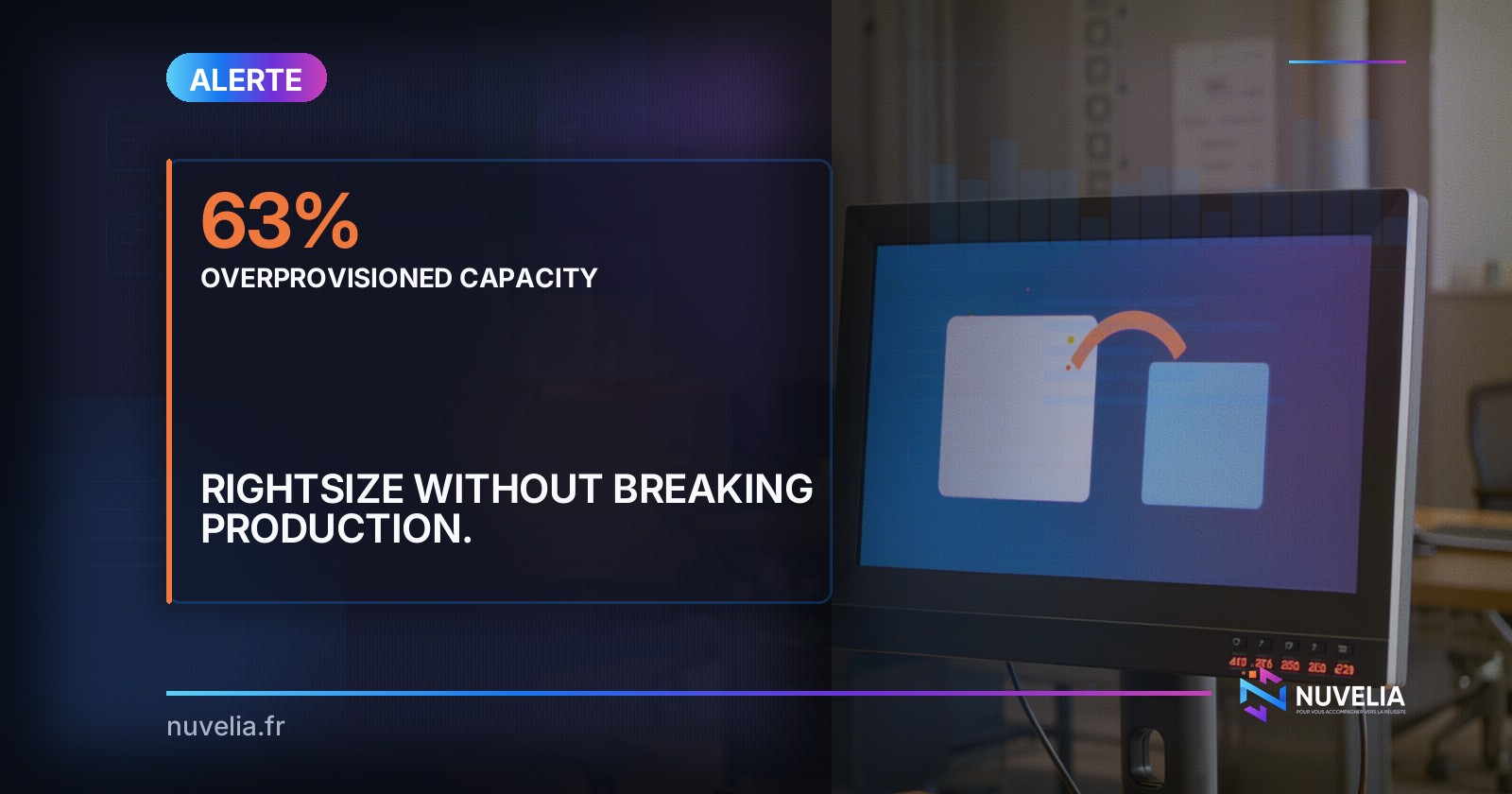
- Team Size & FinOps Maturity: Does your organization have a dedicated FinOps team? According to the Flexera 2026 State of the Cloud Report, 63% of organizations now do. If you don’t, a tool with heavy automation and low setup effort is critical. If you do, a platform with deep reporting and customization might be a better fit.
- Cloud Mix: Are you an AWS-only shop, or do you have a significant multi-cloud footprint? Tools built for a single provider offer deep integration, but they create blind spots. A multi-cloud platform must normalize data to provide a true picture of your total cost of ownership.
- Kubernetes Footprint: Is Kubernetes a significant part of your spend? If so, workload-level cost allocation is non-negotiable. If you’re primarily VM-based, this feature may be less critical than robust rightsizing and scheduling automation.
- Budget Model: Do you prefer predictable, fixed-tier pricing, or are you comfortable with a model based on a percentage of your (potentially variable) cloud spend? The latter can become expensive as you grow, penalizing you for scaling your infrastructure. Explore some of the best cloud cost optimization tools FinOps 2026 to compare models.
Does your business project need a reliable, industrialized platform?
We design and secure the Kubernetes infrastructure that will support your signature or payment workflows.
A Closer Look at Yotascale and Top Alternatives
Beyond Yotascale, many organizations also explore options and compare various CloudHealth alternatives or ScaleOps Alternatives when seeking a multi-cloud FinOps solution.
Yotascale: For the Enterprise Data Science Approach
Yotascale excels at providing granular cost attribution and predictive forecasting for large, complex organizations. Its strength lies in its machine learning models, which can help finance and FinOps teams understand cost drivers and predict future spend with high accuracy. However, this power comes with complexity. The setup can be involved, and the pricing model, tied to a percentage of spend, is geared towards enterprises that can dedicate resources to interpreting its rich data. It’s a powerful choice if your primary goal is understanding, but can be overkill if your goal is immediate, automated action.
Vantage: For Developer-First Visibility
Vantage has gained popularity for its clean UI and developer-friendly approach. It makes it easy for engineering teams to see the cost implications of their infrastructure in a language they understand. It connects to a wide array of providers and offers excellent reporting capabilities. While strong on visibility, its automation features are less emphasized than its reporting. It’s a fantastic tool for fostering cost awareness within engineering teams but may require more manual intervention to turn insights into savings.
Thalaxo Cloud: For Actionable Multi-Cloud Automation
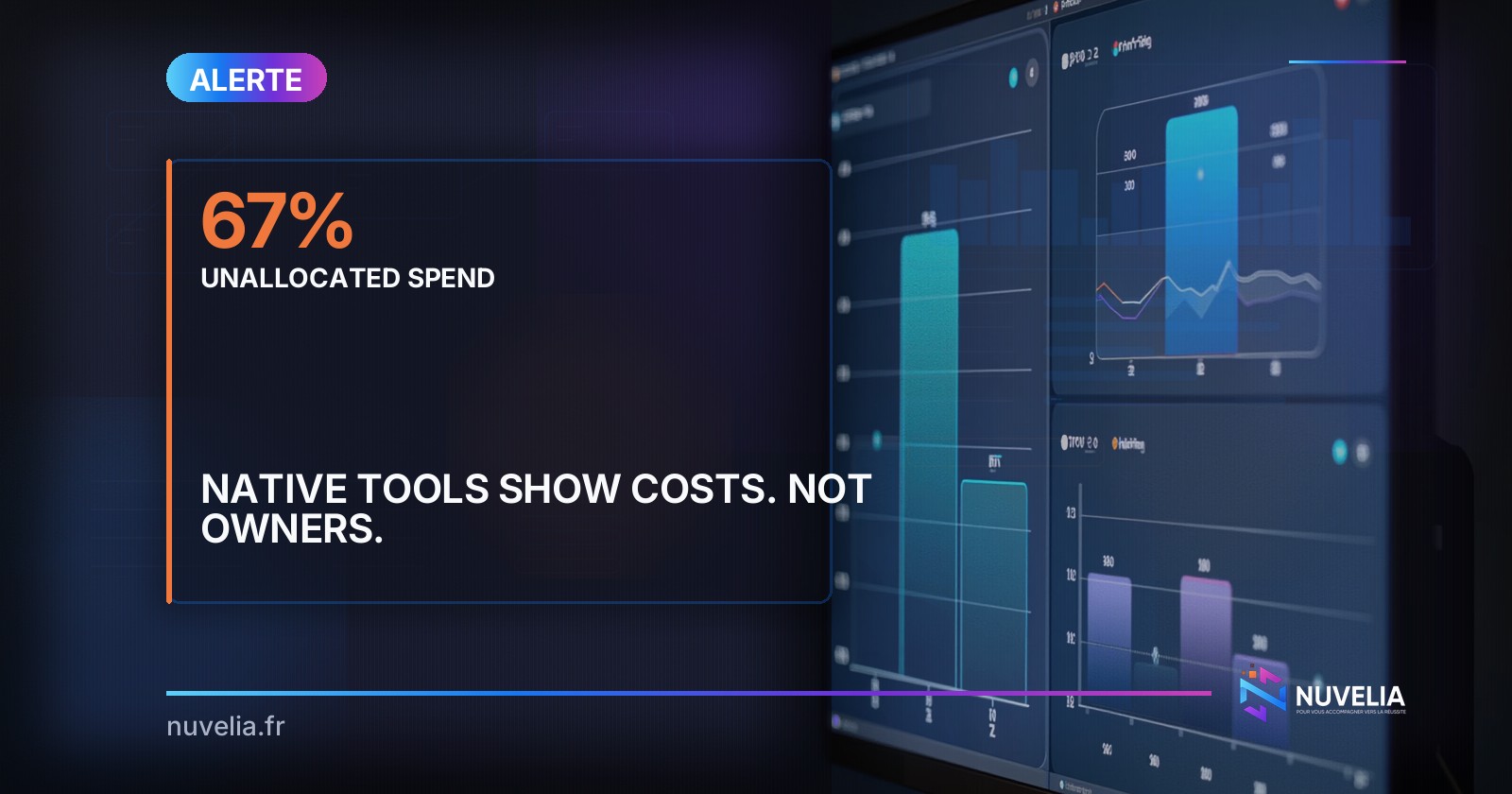
Thalaxo Cloud is built for teams who need to move from analysis to action quickly. For a direct competitive analysis, you might consider how Thalaxo Cloud vs Cast AI compare in a multi-cloud FinOps context. Its core focus is on automating the most common sources of cloud waste: oversized instances, idle resources, and non-production environments running 24/7. Teams can achieve up to 67% on non-production compute for teams applying overnight scheduling (8h/day vs 24/7). Its fixed, VM-based pricing provides cost predictability, and the agentless, read-only setup delivers initial results in minutes. As a newer platform (launched 2025), its feature set is still expanding; for example, workload-level K8s cost allocation on the roadmap is a reflection of prioritizing stability over premature feature breadth. Its SOC 2 Type I report was completed in May 2026, with the Type II audit underway since June 2026.
The Verdict for Your Profile
- For AWS-only teams under 50 VMs: Native tools like AWS Compute Optimizer combined with a visibility platform like Vantage can be a cost-effective starting point. You get basic recommendations and good visibility without the overhead of a large platform.
- For multi-cloud teams with 100+ VMs needing immediate savings: Your biggest challenge is likely the 32% of cloud spend identified as waste by the FinOps Foundation State of FinOps 2024. A tool like Thalaxo Cloud is designed for this profile, focusing on automated rightsizing and scheduling to capture low-hanging fruit quickly across AWS and Azure.
- For large enterprises with a dedicated FinOps team: If you have analysts ready to dig into data and a primary need for forecasting and chargeback, Yotascale’s powerful ML engine is a strong contender. Its ability to model complex business scenarios justifies the investment in setup and pricing.
Conclusion: From Insight to Action
Choosing a Yotascale alternative depends entirely on your primary goal. If you need enterprise-grade forecasting, Yotascale is a leader. If you need developer-centric visibility, Vantage is excellent. But if your goal is to automate waste reduction and translate insights into immediate savings with minimal overhead, an automation-first platform is the more direct path. The modern FinOps practice, as defined by organizations like the FinOps Foundation, is about empowering engineers to make cost-effective decisions, and the right tool is one that fits seamlessly into their workflow.
Read next